
Sequence Controller Uses in Industrial Automation
Modern industrial operations depend on precise timing, coordinated machine control, and reliable automation. From packaging lines to industrial heating systems, many processes require electrical devices to operate in a fixed order. This is where a Sequence Controller becomes essential.
A Sequence Controller helps automate multiple electrical outputs in a predefined sequence with controlled timing. Instead of switching all connected devices simultaneously, it activates them step-by-step, improving efficiency, reducing power surges, and increasing equipment life.
For industries handling heaters, motors, compressors, pumps, or automation systems, sequence controllers are a practical and cost-effective solution.
What Is a Sequence Controller?
A Sequence Controller is an industrial control device designed to switch multiple loads in a sequential pattern. It ensures that connected devices turn ON and OFF in a controlled order rather than all at once.
Industries use these controllers to:
- Prevent high inrush current
- Reduce electrical load fluctuations
- Improve process synchronization
- Protect electrical components
- Automate repetitive industrial operations
The Maniks Solid State Sequential Controller is designed for industrial environments where stable and reliable load sequencing is critical.
Why Industries Use Sequence Controllers
In many industrial systems, starting all equipment together can create sudden current spikes. This may damage electrical systems, trip breakers, or reduce machine life.
A Sequence Controller solves this issue by activating loads gradually.
Key Advantages
- Controlled startup of multiple loads
- Lower inrush current
- Improved energy efficiency
- Better equipment protection
- Reduced downtime
- Reliable automation performance
These controllers are especially useful in systems with multiple heaters, motors, or power-consuming devices.
Where Are Sequence Controllers Used?
1. Industrial Heating Systems
One of the most common applications of a Sequence Controller is in industrial heating systems.
Factories using multiple heating elements often need staggered startup to avoid sudden electrical overload. Sequence controllers switch heaters one after another, maintaining stable power consumption.
Common industries include:
- Plastic processing
- Packaging
- Textile manufacturing
- Chemical plants
- Food processing
This improves heating efficiency and protects electrical infrastructure.
2. Packaging Machines
Packaging lines use several electrically controlled operations simultaneously. A Sequence Controller helps coordinate motors, sealing systems, conveyors, and pneumatic systems in the correct order.
Applications include:
- Shrink wrapping machines
- Conveyor systems
- Sealing machines
- Carton packaging systems
By sequencing machine operations properly, manufacturers achieve smoother automation and reduced operational errors.
3. HVAC Systems
Heating, Ventilation, and Air Conditioning systems use sequence controllers for staged operation of compressors, blowers, and heating units.
Benefits in HVAC systems include:
- Reduced startup load
- Improved power management
- Better temperature control
- Longer compressor life
Large commercial buildings and industrial plants commonly use sequence controllers for reliable HVAC automation.
4. Motor Control Panels
Industrial motors consume high startup current. If several motors start together, electrical systems may become unstable.
A Sequence Controller helps by:
- Starting motors sequentially
- Reducing voltage drops
- Preventing breaker tripping
- Improving motor lifespan
This is especially important in manufacturing plants and automated production facilities.
5. Power Distribution Systems
Power management systems often require controlled switching of electrical loads.
Sequence controllers are used in:
- Generator synchronization systems
- Power backup units
- Electrical distribution panels
- Load management systems
They help maintain stable power distribution across industrial operations.
6. Process Automation Systems
Modern factories rely heavily on automation. Sequence controllers are widely used to coordinate repetitive industrial processes.
Applications include:
- Assembly lines
- Automated testing systems
- Machine synchronization
- Batch processing systems
They help ensure operations occur in the correct order with accurate timing.
Features of Maniks Sequence Controller
At Maniks, we offer industrial-grade sequential controllers designed for reliable operation in demanding industrial conditions.
Technical Specifications
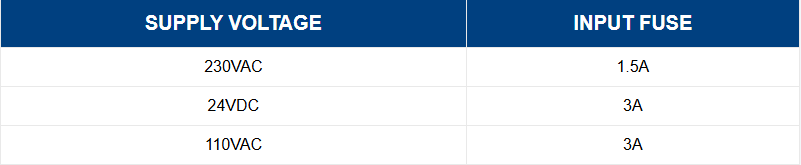
Current Rating per Sequence Step

These specifications make the controller suitable for multiple industrial automation applications requiring dependable sequential switching.
How Sequence Controllers Improve Industrial Efficiency
Industries today focus on reducing downtime, improving energy efficiency, and extending equipment life. A Sequence Controller directly contributes to these goals.
Reduced Electrical Stress
Sequential load switching reduces stress on transformers, breakers, and wiring systems.
Better Equipment Protection
Controlled startup prevents sudden load shocks that may damage motors and heaters.
Improved Automation Accuracy
Sequence controllers ensure industrial operations happen in the correct order, reducing manual intervention and process errors.
Energy Optimization
Balanced load management improves overall energy efficiency in industrial plants.
Choosing the Right Sequence Controller
When selecting a Sequence Controller, industries should consider:
- Operating voltage
- Number of output sequences
- Load current requirements
- Environmental conditions
- Automation compatibility
- Reliability and durability
Industrial-grade solid-state sequence controllers are preferred for long-term reliability and low maintenance.
Conclusion
A Sequence Controller plays a critical role in industrial automation, electrical load management, and equipment protection. From heating systems and HVAC units to packaging lines and motor control panels, sequence controllers improve operational stability and efficiency.
For industries seeking reliable sequential load control, the Maniks Solid State Sequential Controller provides a dependable solution designed for modern industrial applications.