
Best Pulse Jet Valve for Dust Collector Systems
Industrial automation and air filtration systems depend heavily on efficient dust collection equipment to maintain cleaner environments and smooth production processes. One of the most important components in these systems is the pulse jet valve.
From cement plants and pharmaceutical factories to woodworking and food processing industries, pulse jet valves play a critical role in automated dust cleaning systems. With increasing demand for efficient filtration and energy-saving automation, industries are actively searching for reliable pulse valve manufacturers and advanced dust collector valve solutions.
In this guide, we will explore the top applications, types, selection tips, and industrial benefits of pulse jet valves while helping buyers understand how to choose the right solution for their dust collector systems.
What Is a Pulse Jet Valve?
A pulse jet valve is an electrically operated valve designed to release short bursts of compressed air into dust collector filters. These high-pressure air pulses clean filter bags or cartridges by removing accumulated dust particles.
This automatic cleaning process helps maintain airflow efficiency and improves dust collection system performance.
The Maniks Pilot Operated Reverse Jet Pulse Valve is engineered for industrial automation applications requiring fast response time, reliable air pulse operation, and long service life.
Why Pulse Jet Valves Are Important in Dust Collection Systems
Industrial dust can affect machinery performance, worker safety, and environmental compliance. A properly functioning dust collector pulse valve helps maintain consistent filter cleaning without interrupting production.
Key Benefits of Pulse Jet Valves
- Automatic filter cleaning
- Improved airflow efficiency
- Reduced maintenance downtime
- Better dust collection performance
- Lower energy consumption
- Longer filter life
- Reliable industrial automation
These advantages make pulse jet valves essential for modern industrial dust collection systems.
Top Applications of Pulse Jet Valves in Industries
1. Cement Industry Dust Collection
Cement plants generate large amounts of fine dust during material handling and grinding processes. Pulse jet valves are widely used in:
- Baghouse dust collectors
- Clinker handling systems
- Cement silo filtration
- Pneumatic conveying systems
Automated pulse cleaning helps maintain efficient filtration and environmental compliance.
2. Pharmaceutical Manufacturing
Pharmaceutical industries require clean production environments to maintain hygiene and product quality.
A pulse valve for dust collector supports:
- Powder collection systems
- Cleanroom filtration
- Tablet manufacturing dust control
- Chemical processing filtration
This improves air quality and reduces contamination risks.
3. Food Processing Plants
Dust generated from flour, sugar, grains, and spices can impact equipment performance and workplace hygiene.
Pulse jet solenoid valves help maintain cleaner operations in:
- Flour mills
- Spice processing plants
- Grain handling systems
- Food packaging units
Automated filter cleaning improves operational efficiency and food safety standards.
4. Woodworking Industry
Wood dust is highly hazardous and requires efficient extraction systems.
Pulse jet valves are commonly used in:
- Sawdust collection systems
- Wood sanding filtration
- Furniture manufacturing plants
- Industrial dust extraction systems
They help improve workplace safety and equipment performance.
5. Metal and Steel Processing
Metal grinding and cutting operations produce airborne particles that require continuous dust filtration.
Industrial dust collector valves help maintain:
- Welding fume extraction systems
- Grinding dust collectors
- Plasma cutting filtration systems
- Industrial ventilation units
6. Chemical Processing Plants
Chemical manufacturing facilities use pulse jet valves for:
- Powder transfer systems
- Air filtration units
- Pneumatic conveying
- Pollution control systems
Fast pulse response improves overall automation reliability.
Types of Pulse Jet Valves
Pilot Operated Pulse Jet Valve
A pilot operated valve uses compressed air pressure along with electrical actuation for efficient operation.
Advantages include:
- Fast response speed
- High airflow efficiency
- Low power consumption
- Reliable industrial performance
Pilot operated valves are commonly preferred in industrial dust collector systems.
Pulse Jet Solenoid Valve
A pulse jet solenoid valve uses electromagnetic operation to control compressed air pulses.
These valves are suitable for:
- Automated cleaning systems
- Pneumatic automation
- Reverse jet filtration systems
How to Select the Right Pulse Jet Valve
Choosing the correct pulse jet valve depends on several industrial factors.
1. Valve Size
Valve size should match the airflow requirement of the dust collector system.
Maniks Pulse Valve Size Options

Selecting the right size improves cleaning efficiency and airflow performance.
2. Electrical Compatibility
Industrial pulse valves should match the system’s electrical requirements.
Pulse Valve Specifications
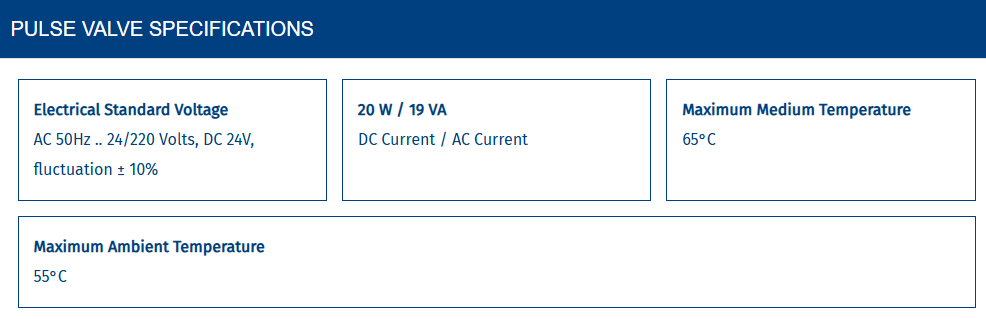
These specifications make the valves suitable for demanding industrial conditions.
3. Operating Environment
Industries should evaluate:
- Ambient temperature
- Dust load
- Air pressure requirements
- Chemical exposure
- Continuous operation needs
High-quality valves designed for industrial automation offer better durability and long-term performance.
Why Choose Maniks as a Pulse Valve Manufacturer?
As a trusted manufacturer of pulse jet valves in India, Maniks offers industrial-grade pulse jet valves designed for reliability, efficiency, and automation performance.
Key Advantages
- Durable industrial construction
- Reliable pulse response
- Energy-efficient operation
- Multiple size configurations
- Suitable for heavy-duty applications
- Low maintenance requirements
At Maniks, we provide advanced dust collector valve solutions for various industrial sectors.
Future Trends in Pulse Jet Valve Automation
Industrial automation is rapidly evolving with smarter and more energy-efficient systems.
Emerging trends include:
- Smart dust collector monitoring
- IoT-enabled filtration systems
- Energy-efficient pulse control
- Advanced pneumatic automation
- Predictive maintenance integration
Modern pulse solenoid valve systems are becoming more intelligent and automation-friendly to support Industry 4.0 operations.
Conclusion
A pulse jet valve is an essential component in industrial dust collection and pneumatic automation systems. From cement plants and pharmaceutical units to food processing and woodworking industries, these valves help improve air filtration efficiency, reduce maintenance, and support cleaner industrial environments.
For industries seeking reliable dust collector valves and industrial automation solutions, the Maniks Pilot Operated Reverse Jet Pulse Valve offers dependable performance, durable construction, and efficient pulse cleaning technology.