
Best Sequence Controller Solutions in Maharashtra
Maharashtra is one of India’s largest industrial hubs, home to thriving sectors such as manufacturing, automotive, pharmaceuticals, food processing, power generation, cement, chemicals, and engineering. As industries continue to automate operations and improve efficiency, the demand for reliable control systems has increased significantly.
One such critical automation component is the Sequence Controller. Whether it’s operating pulse jet dust collectors, controlling industrial burners, managing heating systems, or automating production processes, a sequence controller plays a vital role in ensuring smooth and efficient operations.
In this blog, we’ll explore the importance of sequence controllers, their industrial applications, and why businesses across Maharashtra are increasingly choosing reliable locally manufactured solutions.
What Is a Sequence Controller?
A Sequence Controller is an electronic device that activates multiple outputs in a predefined order and time interval. Instead of operating all connected devices simultaneously, it controls them sequentially, improving efficiency and preventing overload conditions.
Sequence controllers are commonly used in:
- Dust collector systems
- Industrial burners
- Heating equipment
- Pneumatic automation
- Material handling systems
- Manufacturing processes
- Process control applications
The Maniks Solid State Sequential Controller is designed to provide reliable sequencing performance for demanding industrial environments.
Why Industries in Maharashtra Need Sequence Controllers
Industrial facilities in cities such as Pune, Mumbai, Nashik, Aurangabad, Kolhapur, Nagpur, and Thane operate complex machinery that requires coordinated control.
A sequential controller helps industries by:
- Improving automation efficiency
- Reducing equipment stress
- Preventing electrical overloads
- Optimizing dust collector performance
- Enhancing process reliability
- Reducing manual intervention
As automation adoption continues to grow, sequence controllers have become an essential component of modern industrial systems.
Key Applications of Sequence Controllers in Maharashtra Industries
1. Dust Collector Systems
Many industries in Maharashtra generate dust during manufacturing processes.
Common sectors include:
- Cement manufacturing
- Metal fabrication
- Foundries
- Pharmaceutical production
- Food processing
- Chemical manufacturing
A Sequential timer controller manages the pulse valves used in dust collector systems. By activating valves one after another, it ensures effective filter cleaning while reducing compressed air consumption.
Benefits
- Better filtration efficiency
- Reduced pressure drop
- Improved airflow
- Longer filter life
- Lower maintenance costs
2. Industrial Burner Systems
Many industries rely on burners for heating, drying, and process applications.
A sequence controller for burner systems helps manage startup and shutdown sequences safely and efficiently.
Applications include:
- Boilers
- Furnaces
- Industrial ovens
- Thermal processing systems
Proper sequencing improves both safety and operational reliability.
3. Process Automation
Manufacturing facilities often require equipment to operate in a specific order.
Sequence controllers help automate:
- Production lines
- Conveyor systems
- Packaging equipment
- Material handling processes
- Assembly operations
This improves productivity while reducing the possibility of operational errors.
4. Industrial Heating Systems
Factories using multiple heating elements often need staged operation to avoid sudden electrical loads.
A Sequential timer allows heating elements to activate in sequence, helping:
- Reduce power surges
- Improve temperature control
- Protect electrical infrastructure
- Enhance energy efficiency
Why Maharashtra Industries Prefer Locally Manufactured Controllers
Faster Availability
Industrial projects often work on tight timelines. Locally manufactured controllers are typically available with shorter lead times compared to imported alternatives.
Better Technical Support
Having direct access to local engineering and service teams helps resolve issues quickly and minimizes downtime.
Easier Customization
Different industries require different timing configurations and control requirements. Local manufacturers can often provide customized solutions more efficiently.
Cost-Effective Solutions
A locally manufactured sequence controller can help reduce costs associated with:
- Import duties
- International shipping
- Long procurement cycles
- Currency fluctuations
This makes them an attractive option for businesses seeking reliable and economical automation solutions.
Features to Look for in a Sequence Controller
When selecting a sequence controller for industrial applications, consider the following:
Reliable Solid-State Design
Solid-state controllers offer:
- Long operational life
- Stable performance
- Reduced maintenance
Multiple Voltage Compatibility
Industrial environments may require different voltage options for system integration.
Adjustable Timing Controls
Flexible timing settings allow operators to optimize sequencing based on application requirements.
Industrial Durability
Controllers should withstand demanding industrial conditions, including dust, temperature fluctuations, and continuous operation.
Maniks Solid State Sequential Controller Specifications
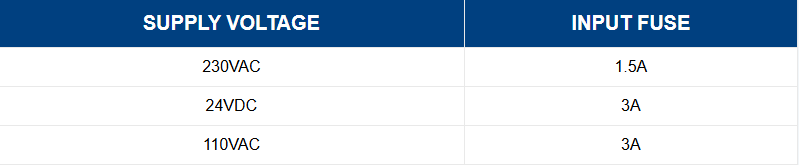
Supply Voltage and Input Fuse
Current Rating Per Sequence Step

These specifications make the controller suitable for dust collectors, burner systems, and industrial automation applications across multiple industries.
Factors Affecting Sequence Controller Price
Many buyers search for sequence controller price when evaluating automation solutions. However, price should be assessed alongside overall value.
Factors that influence pricing include:
- Number of outputs
- Timing features
- Voltage compatibility
- Build quality
- Industrial certifications
- Technical support availability
- Product reliability
Investing in a high-quality controller often results in lower maintenance costs and better long-term performance.
Why Choose Maniks Sequence Controllers?
As an established Indian manufacturer of industrial automation components, Maniks provides dependable sequencing solutions for industries across Maharashtra and India.
Key Advantages
- Solid-state reliability
- Suitable for dust collector systems
- Compatible with industrial automation applications
- Multiple voltage options
- Durable industrial-grade design
- Fast technical support
- Long service life
These benefits make Maniks sequence controllers a preferred choice for industrial facilities seeking efficient and reliable automation solutions.
Future of Industrial Automation in Maharashtra
With increasing adoption of Industry 4.0 technologies, smart manufacturing, and energy-efficient systems, the role of sequence controllers will continue to expand.
Future trends include:
- Smart automation integration
- IoT-enabled monitoring
- Predictive maintenance
- Advanced process control
- Energy-efficient industrial systems
Reliable sequence controllers will remain a foundational component of these evolving automation environments.
Conclusion
A Sequence Controller is an essential component for industries seeking efficient automation, reliable process control, and improved operational performance. From dust collector systems and industrial burners to heating equipment and manufacturing automation, sequence controllers help streamline operations and reduce downtime.
For businesses across Maharashtra looking for dependable sequencing solutions, the Maniks Solid State Sequential Controller offers robust performance, industrial reliability, and the local support needed to keep operations running efficiently.